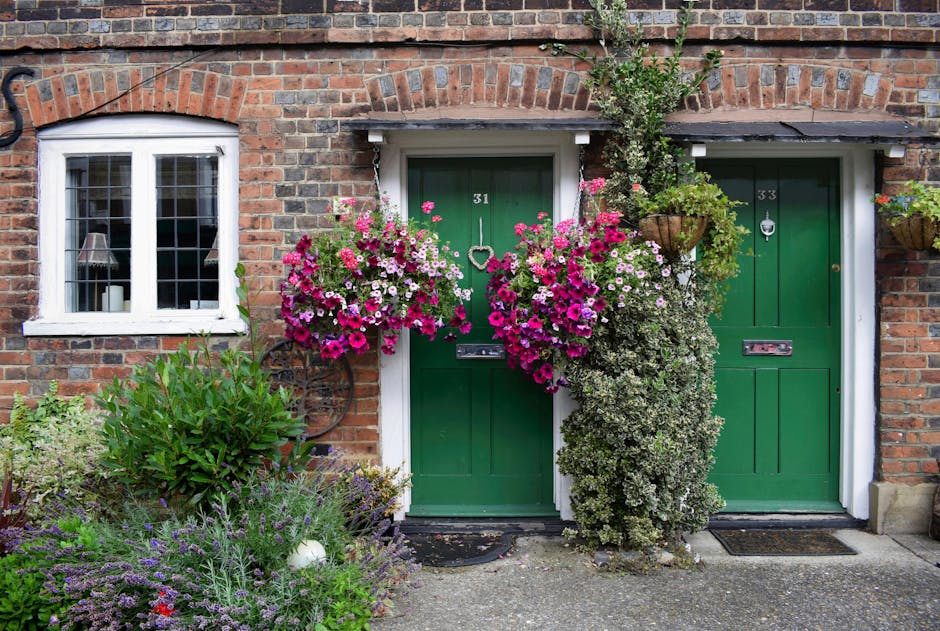
Coldharbour Lane gardeners guide for small front gardens
If you live near Coldharbour Lane, you probably already know the challenge: small front gardens have to work hard. They need to look tidy from the street, survive busy footfall and London weather, and still feel welcoming when you come home with shopping bags, a bike, or muddy shoes. That is exactly where a Coldharbour Lane gardeners guide for small front gardens becomes useful. It is not about cramming more in. It is about making a compact space look calmer, brighter, easier to maintain, and a bit more stylish without turning it into a chore.
In this guide, you will find practical ideas for planting, layout, maintenance, and small-space improvements that actually suit a front garden in Brixton. We will also cover what to avoid, how to choose the right level of help, and when a simple maintenance plan is better than a full redesign. Truth be told, in a small front garden, every centimetre counts. That is the fun part, and the headache.
Table of Contents
- Why this matters for small front gardens on Coldharbour Lane
- How the approach works in practice
- Key benefits and practical advantages
- Who it is for and when it makes sense
- Step-by-step guidance
- Expert tips for better results
- Common mistakes to avoid
- Tools, resources and recommendations
- Law, compliance, standards, and best practice
- Options and comparison table
- Case study and real-world example
- Practical checklist
- Conclusion
- Frequently asked questions
Why Coldharbour Lane gardeners guide for small front gardens Matters
Small front gardens are often the first thing people see, but they are also the easiest to neglect. On a street like Coldharbour Lane, where properties can sit close to the pavement and front spaces are often narrow or shallow, a front garden has to balance looks, access, privacy, and maintenance. If it gets overgrown, the whole house can start to feel less cared for. If it is over-designed, it can feel crowded and awkward.
That is why a focused approach matters. A well-planned small front garden can soften the frontage, improve kerb appeal, and make the house feel more settled. It can also be easier to manage if the planting and hard surfaces are chosen properly. A little structure goes a long way. In our experience, the best small gardens are the ones that look intentional even when they are simple.
There is also a practical side. Front gardens in urban London tend to deal with compacted soil, shade from nearby buildings, pollution, bins, cyclists, and occasional wear from everyday use. A good plan accepts those conditions instead of fighting them. That, more than anything, is the difference between a garden that looks lovely in spring and one that still looks decent in late autumn.
If you are weighing up help with ongoing care rather than a one-off tidy, a service such as garden maintenance can be a sensible starting point. For bigger clear-outs after a long period of neglect, garden clearance may be the better first step.
How Coldharbour Lane gardeners guide for small front gardens Works
The core idea is simple: start with structure, then add softness, then make upkeep realistic. Small front gardens do not usually need a huge list of features. They need clarity. What is the route to the door? Where does water drain? Which plants can handle the light conditions? What needs trimming, and how often?
Most successful small front gardens follow the same logic:
- Clear the space so you can see the bones of the garden.
- Keep access routes open, especially if bins, bikes, or prams need to pass through.
- Choose a simple layout with one or two focal points rather than several competing ones.
- Use planting that fits the site, not just what looks attractive in a pot at the nursery.
- Build in easy upkeep so the garden does not become another weekend job that keeps growing teeth.
For many homeowners, this means replacing patchy borders with low-maintenance planting, keeping hedges trimmed rather than letting them swallow the space, and choosing a neat path or edging that defines the front garden without overloading it. If the existing layout is confusing or overgrown, combining clearance work with lighter landscape gardening can reset the whole feel of the frontage.
The maintenance rhythm matters too. Front gardens are visible every day, which means messy growth is noticed quickly. A little, done regularly, tends to look far better than one dramatic effort every few months. Slightly boring advice, perhaps, but it works.
Key Benefits and Practical Advantages
A small front garden can do more than look nice. When designed and maintained well, it can make the whole property feel better organised and easier to live with. Here are the benefits that matter most.
- Better kerb appeal: A neat frontage instantly improves the first impression of the home.
- Lower upkeep: Compact planting and sensible edging reduce the amount of constant trimming and weeding.
- Improved light and space: Careful layout can make a cramped garden feel more open than it really is.
- More privacy without bulk: Small hedges or layered planting can soften the view from the street without blocking everything.
- Safer access: Clear paths and tidy surfaces help avoid trip hazards and awkward squeezes.
- Better year-round appearance: A mix of evergreen structure and seasonal interest keeps things from looking bare in winter.
One often overlooked advantage is psychological. You walk past a front garden every day, even if you never fully "use" it in the way you use a back garden. A tidy, balanced front space can make the whole house feel calmer. You notice it on the way in, and you notice it when leaving in a rush on a rainy Tuesday morning. Small thing, big effect.
Expert summary: In a compact front garden, the best results usually come from restraint, repetition, and maintenance you can actually keep up with. Simple often wins.
Who This Is For and When It Makes Sense
This guide is useful if you own, rent, manage, or are helping to maintain a small front garden near Coldharbour Lane and want it to look considered rather than improvised. It is especially relevant if your space is tight, shaded, and visible from the street, which is a fairly common combination around Brixton.
It makes sense for:
- homeowners who want a better first impression without a full rebuild
- landlords who need a presentable frontage for tenants and inspections
- busy households that want low-fuss planting and reliable upkeep
- people moving into a property and inheriting an overgrown or tired front garden
- anyone deciding whether to tidy, redesign, or completely clear the space
It also makes sense if you are stuck between two instincts: "I want to do something" and "I do not want this to become a money pit." A small front garden is often best handled with a measured plan. You do not need everything at once. Sometimes all you need is a cleaner line, a more workable layout, and a few plants that will not sulk in the wrong light.
If you are comparing support options, you may want to look through the services overview and, where relevant, lawn mowing, hedge trimming, or even landscaping if the frontage needs more structural work.
Step-by-Step Guidance
Here is a practical way to tackle a small front garden without losing momentum halfway through.
1. Assess the site honestly
Stand at the pavement and look at the garden as a passer-by would. Where does the eye land first? Is the entrance obvious? Are there areas where plants are blocking windows, drains, or the path? The aim is not perfection. The aim is to see what the garden is doing right now, not what you hope it might be doing after a few optimistic weekends.
2. Remove clutter and weak growth
Start with dead plants, broken pots, self-seeded clutter, and anything that makes the space feel cramped. In many cases, a clean-out reveals that the garden is smaller than it felt. That is fine. A small space needs breathing room more than it needs volume.
3. Define the hard edges
Edging, path boundaries, and neat transitions between soil, paving, and planting help a small garden feel deliberate. If the space already has hard landscaping that is in poor shape, repairing or simplifying it can make a bigger difference than adding new plants. For some homes, a modest decked area can even work well, which is where decking services may be worth considering.
4. Choose planting with restraint
Pick plants for the site you have, not the one you wish you had. Shade-tolerant plants suit many London front gardens. So do compact shrubs, evergreen structure, and a few seasonal accents. Keep a sense of repetition. Three or four good plant types are often better than ten random ones.
5. Plan a maintenance rhythm
Maintenance is what keeps the design alive. Trim lightly but regularly. Sweep the path. Deadhead what needs deadheading. Check for weeds before they become little thickets with opinions. If you want the garden to keep looking sharp, a recurring maintenance plan is usually easier than emergency gardening.
6. Review after a month or two
Let the garden settle. You will quickly see what is thriving, what feels too crowded, and what looks sparse. Small front gardens often improve through adjustment, not grand gestures.
Expert Tips for Better Results
A few small decisions can improve a front garden far more than a bigger spend. These are the details people often miss.
- Use repetition: Repeating a plant type or material creates calm. Too many "features" can make a tiny space feel fussy.
- Keep one clear path: Even if the route is short, it should be obvious and comfortable to walk.
- Think in layers: Low planting at the front, taller structure behind, and nothing too bulky where it will obscure the entrance.
- Choose restrained colours: Bright blooms can be lovely, but a front garden often looks better with a stable backbone of greens and softer accents.
- Leave room for maintenance access: If you cannot reach the back of the border, it becomes annoying fast. And then neglected. We have all seen that story.
- Use containers carefully: One or two good pots can work beautifully. Seven mismatched ones can look like a storage problem.
Another useful habit is to prune from a distance. Step back, look again, then cut a little more if needed. Small spaces have a habit of turning from "neat" to "bare" very quickly, so it pays to be cautious. You can always take more off. Putting growth back on is trickier.
If safety and consistency matter, especially on shared access routes, it is worth choosing a team that also takes working practices seriously. Pages such as health and safety policy and insurance and safety are the kind of behind-the-scenes details that build trust, even if they are not the glamorous part of gardening.
Common Mistakes to Avoid
Small front gardens are forgiving in some ways and brutally obvious in others. The wrong move shows quickly. Here are the mistakes that come up most often.
- Overplanting: Too many plants make a small space feel jammed, and later create more maintenance than expected.
- Ignoring mature size: A plant that looks neat in the pot can become a problem if it outgrows the border.
- Forgetting access: Blocking the path or front door with planting is annoying and sometimes unsafe.
- Using too many materials: A mix of paving, gravel, timber, bricks, and containers can feel messy in a small area.
- Choosing high-maintenance planting by accident: Pretty, yes. Practical, maybe not.
- Skipping drainage checks: Poorly draining front gardens often end up muddy, compacted, or patchy.
One very common issue is the "almost tidy" garden. It is usually tidy at a glance, but the edges are tired, the hedge is a bit too wide, and the path is hidden by one stubborn plant. That almost-tidy look can be more frustrating than a total mess because you know exactly what is off. The good news? It is usually fixable without starting from scratch.
If the garden has become too far gone, then a proper reset may help more than piecemeal trimming. In that case, a mix of garden clearance and follow-up upkeep is often the cleanest route.
Tools, Resources and Recommendations
You do not need a van full of kit to keep a small front garden under control. A few reliable tools go a long way.
- hand pruners for light cutting and shaping
- small shears for tidy trimming around borders
- a sturdy rake or leaf scoop for seasonal cleanup
- a broom or stiff brush for paths and paving
- gloves that actually fit, because loose gloves are irritating in the worst way
- a watering can or hose setup suited to the space
- mulch or compost for improving the soil surface and reducing weed pressure
For homeowners who would rather not maintain everything themselves, recurring help can be more efficient than occasional big jobs. A well-planned visit from a local gardener can cover mowing, edging, hedge work, and general tidying in one sweep. That is often enough to keep the frontage in good shape without it becoming a weekend project that keeps getting postponed.
If you are comparing providers, it is sensible to review pricing, payment clarity, and how quotes are handled. A page like pricing and quotes helps set expectations, while payment and security reassures people who prefer the practical side to be straightforward.
Law, Compliance, Standards, and Best Practice
For a small front garden, compliance usually means common-sense responsibility more than anything dramatic. If the space borders a public pavement, you should avoid creating hazards, blocking access, or allowing overgrowth to spill into walkways. That is especially relevant in busy urban streets where people, prams, bikes, and bins are all trying to pass through.
It is also worth keeping in mind that trees, hedges, and shared boundaries can involve neighbour considerations. If a branch overhangs or roots spread beyond your boundary, a careful approach is better than a rushed one. In general, good practice is to trim responsibly, check what is actually yours, and avoid damaging structures or plants that do not belong to you.
For taller trees or larger woody growth, especially where there is risk near roofs, power lines, or neighbouring property, specialist help is sensible. That is where tree lopping and removal may be relevant, but only when the job genuinely calls for it. Not every tall shrub needs dramatic intervention. Sometimes it just needs patience and a sharper pair of shears.
On the environmental side, best practice increasingly includes responsible green waste handling and sensible material choices. If sustainability matters to you, look for services that think about waste reduction and recycling rather than just throwing everything in a heap. The recycling and sustainability page is a useful signal that this is part of the conversation.
Options, Methods, or Comparison Table
If you are deciding how to improve a small front garden, the best method depends on how much time, budget, and structural change you want to commit. Here is a simple comparison.
| Approach | Best for | Advantages | Limitations |
|---|---|---|---|
| Light tidy and maintenance | Gardens that are basically sound but need regular care | Quick, affordable, keeps things neat | Won't fix poor layout or serious overgrowth |
| Clearance plus replanting | Front gardens that feel cluttered or neglected | Fresh start, easier to redesign | Needs a short-term disruption and a follow-up plan |
| Minor landscaping | Spaces with awkward edges, paths, or tired surfaces | Improves structure and usability | Costs more than basic maintenance |
| Full redesign | Very awkward or dated front gardens | Maximum transformation | Most time, most planning, and usually the biggest spend |
For many homes near Coldharbour Lane, the middle options are the sweet spot. A full redesign sounds exciting, sure, but a lot of small front gardens do better with thoughtful adjustments and regular care. That is the less dramatic answer, though probably the wiser one.
Case Study or Real-World Example
Imagine a compact front garden with a narrow path, two tired shrubs, patchy soil, and a hedge that has slowly started to lean into the entrance. It is not a disaster. It is just a bit apologetic. You know the type.
The first step is to clear the dead material and cut back what is encroaching on the access route. That instantly changes the feel of the space. Next, the path edge is defined more clearly, and the border is simplified so there is room for a few well-chosen plants rather than a crowded assortment. A couple of evergreen shrubs provide structure, while a lower layer of seasonal planting adds interest without blocking the view to the house.
Now the garden works better on two levels. From the street, it looks neater and more cared for. Up close, it is easier to walk through, easier to water, and easier to maintain. A simple routine of trimming and light weeding keeps it presentable. No grand design trick, just a sensible reset.
That sort of result is often what people want, even if they do not say it out loud at first. Not "a show garden." Just a front space that feels looked after. Calm. Done properly.
Practical Checklist
Use this checklist before you start or when you are deciding whether to bring in help.
- Is the entrance clear and easy to use?
- Are any plants blocking windows, doors, or the path?
- Do you know what needs removal, cutting back, or replacing?
- Is the garden suffering from shade, poor drainage, or compacted soil?
- Have you chosen plants that suit the size of the space?
- Will the garden still look good with light, regular maintenance?
- Have you allowed enough room for bins, bikes, or everyday movement?
- Do you want a tidy-up, a clearance, or a more structural change?
- Are hard surfaces safe and in decent condition?
- Do you have a plan for waste removal and greener disposal where possible?
If you can answer most of these clearly, you are already ahead. If not, that is fine too. Small front gardens are rarely solved in one go. They improve in stages.
Conclusion
A small front garden on Coldharbour Lane does not need to be big to make a real difference. With the right balance of structure, planting, and maintenance, it can sharpen the look of the whole property and make everyday life feel a bit easier. The trick is to keep the design honest to the space: simple enough to maintain, neat enough to notice, and flexible enough to grow with your needs.
If you are deciding between clearing, tidying, or reworking the space, start with the least dramatic option that still solves the actual problem. That is usually where the best long-term results come from. And honestly, that is a relief. A small garden should feel like a welcome, not a full-time job.
If you want support with a tidy-up, ongoing care, or a more considered redesign, it is worth exploring the site's service information and getting a clear picture of what is possible before you commit.
Get a free quote today and see how much you can save.
With a little planning and the right care, even the smallest front garden can feel quietly impressive. That is the kind of change you notice every time you come home.
Frequently Asked Questions
What makes a small front garden suitable for Coldharbour Lane homes?
Usually, it is a combination of compact layout, street visibility, and urban conditions like shade, pollution, and limited soil space. A good design suits those realities instead of fighting them.
How often should a small front garden be maintained?
For most front gardens, light maintenance every few weeks works better than infrequent heavy work. If hedges or edging grow quickly, a regular routine keeps the space looking intentional.
Is a full redesign always necessary?
No. In many cases, a tidy-up, some selective planting, and improved edging are enough. A full redesign only makes sense if the layout is genuinely not working.
What plants are best for a small front garden?
Compact shrubs, evergreen structure, and plants that suit your light conditions are usually the safest choice. It is better to pick reliable, manageable plants than something that will outgrow the space.
Can a small front garden still have privacy?
Yes, but privacy should be gentle in a small space. Low hedges, layered planting, or a small number of taller plants can soften the view without making the garden feel boxed in.
What is the difference between garden clearance and garden maintenance?
Garden clearance is usually about removing overgrowth, clutter, and waste to reset the space. Garden maintenance is the ongoing care that keeps it neat afterwards.
Do small front gardens need hard landscaping?
Not always. Sometimes a simple path, edging, or a small paved section is enough. Hard landscaping helps when the layout is unclear or the surfaces are tired.
How can I make a tiny front garden look bigger?
Keep the layout simple, avoid too many materials, and use repetition in planting. Clear sightlines and tidy edges usually make the biggest difference.
What are the biggest mistakes people make with small front gardens?
Overplanting, ignoring mature plant size, blocking access, and choosing high-maintenance features are the main ones. Small spaces need restraint more than enthusiasm.
Is it worth booking professional help for a small garden?
Often, yes. A professional can save time, spot layout issues quickly, and keep the garden manageable. That is especially useful if the space is overgrown or awkward to access.
Can hedge trimming help a front garden feel larger?
Absolutely. A hedge that is kept slim and well-shaped can define the space without swallowing it. If it has become too bulky, trimming can restore light and openness.
What should I ask before booking gardening work?
Ask what is included, how waste will be handled, what the expected outcome is, and whether the work is meant to be a one-off or part of an ongoing plan. Clear answers save hassle later.
For more background on the team, you can also read about us or use the contact us page if you want to talk through a project in more detail.