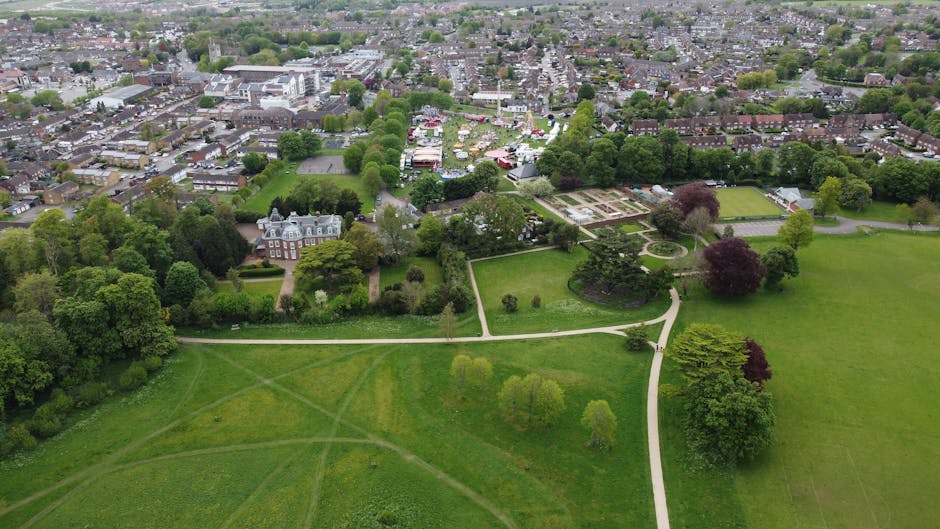
Brockwell Park boundary gardeners tips for shared gardens
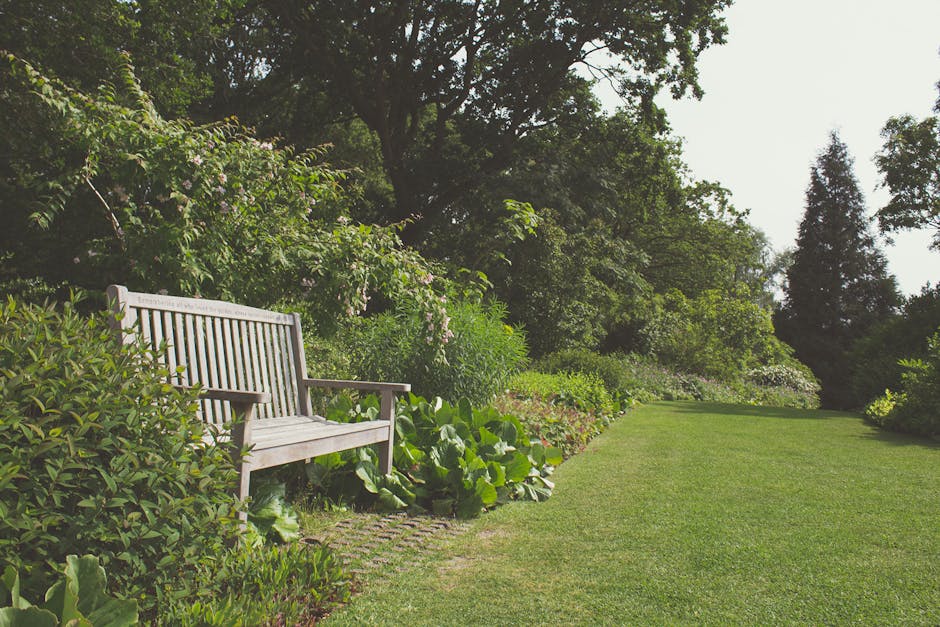
Shared gardens can be brilliant, but they can also become quietly messy if no one agrees who trims what, when the hedge gets cut, or how the boundary is kept tidy. If you are looking for Brockwell Park boundary gardeners tips for shared gardens, you are probably dealing with one of those spaces where good intentions meet real-life problems: overlapping responsibilities, uneven maintenance, and the occasional neighbour who "was going to do it next week".
This guide breaks the topic down in plain English. You will find practical tips for keeping shared garden edges tidy, how to plan work around neighbours, what good boundary maintenance looks like, and when a professional service makes life easier. We will also cover common mistakes, a simple checklist, and a realistic example from a typical shared setup. Nothing fancy. Just useful, grounded advice that helps the garden stay calm, usable, and looking cared for.
Why Brockwell Park boundary gardeners tips for shared gardens Matters
Boundary work in shared gardens sounds simple until you actually try to manage it. One side wants a lower hedge for light, another wants more privacy, and somebody else just wants the leaves off the path. Around Brockwell Park, where many homes, flats, and communal spaces have compact outdoor areas, boundaries tend to do more than just mark a line. They shape privacy, light, security, wildlife value, and how easy the space feels to use.
That is why boundary gardeners tips for shared gardens matter so much. A well-kept edge does not just look neat. It stops growth from creeping into paths, reduces disputes about encroachment, and helps everyone understand what is expected. In a shared setting, tidy borders also give the whole place a calmer feel. You notice it in the morning, when the path is clear and the hedge line is clean. It just feels looked after.
Boundary work can include hedges, shrubs, fence lines, overgrown climbers, edging, turf lines, and the area where planting meets paving or decking. In many shared gardens, the challenge is not gardening skill. It is agreement. Who trims? Who pays? How often? And what happens if one neighbour wants a more wild, natural look while another wants everything clipped straight? Truth be told, this is where the real work begins.
If you are already managing a larger shared outdoor area, services such as garden maintenance or hedge trimming can help keep the work consistent rather than letting it build into a bigger, more expensive job later on.
How Brockwell Park boundary gardeners tips for shared gardens Works
The simplest way to think about boundary care in a shared garden is this: first you agree the line, then you agree the standard, then you agree the routine. If one of those parts is missing, the garden tends to drift. A shared border that starts tidy can become a tangle within a season if nobody is watching it. You know how it goes. One wet spring and suddenly a modest hedge is leaning over the path like it owns the place.
In practice, boundary gardeners tips for shared gardens usually involve three layers of work:
- Visual definition - keeping the edge clear so people can see where one space ends and another begins.
- Growth control - trimming hedges, climbers, and shrubs before they overrun paths or neighbouring plots.
- Shared upkeep planning - making sure everyone knows who is responsible for what, even if one person coordinates the work.
It also helps to separate "what the garden needs" from "what the group wants". A hedge may need cutting twice a year to stay manageable, but the neighbours may only want work done after bird nesting season or before a social event. Those timings can be balanced if there is communication, which sounds obvious, but in real shared gardens it is often the bit people skip.
For mixed outdoor spaces, boundary work may sit alongside other services such as lawn mowing, landscaping, or even decking services where the garden edge meets a hard surface. When the whole space is being planned together, it tends to work better. Less patchwork, fewer awkward corners.
Key Benefits and Practical Advantages
Shared garden boundary care is not just about appearance, although that matters too. A tidy boundary solves a surprising number of small problems before they become annoying ones.
- Better neighbour relations: A clear routine reduces misunderstandings and "I thought you were doing it" moments.
- Safer access: Overgrown edges can narrow paths, hide trip hazards, or make gates awkward to use.
- Cleaner presentation: A trimmed border makes the whole garden feel sharper and more usable.
- Improved light and air: Careful trimming can stop dense planting from making one side feel dark and damp.
- Easier long-term upkeep: Regular boundary management usually costs less effort than rescue work after months of neglect.
- More predictable budgeting: If the work is planned, it is easier to split costs fairly and avoid rushed decisions.
There is also a less obvious benefit: confidence. When everyone knows the boundary line is under control, the garden becomes a space people actually use again. Kids can move around more freely. People sit out longer. Even the quiet jobs, like sweeping or pruning, start to feel worth doing because the place responds quickly to care.
And yes, this matters in the busy reality of London life, where garden time is often squeezed into weekends or short evening windows. A boundary that is easy to maintain makes the whole shared garden more realistic, not just prettier.
Who This Is For and When It Makes Sense
This advice is for anyone dealing with a shared outdoor boundary near Brockwell Park or in a similar urban setting. That might mean leaseholders, tenants, residents' groups, housing associations, small blocks of flats, maisonette gardens, or neighbouring households sharing a side return or rear garden.
It makes especially good sense if you are facing one of these situations:
- the hedge, fence line, or planting strip is shared by more than one household
- there is disagreement about where one garden ends and another begins
- boundary growth keeps causing complaints, blocked access, or shade issues
- the garden has become uneven because one side has been maintained more often than the other
- you are planning a one-off tidy-up before selling, letting, or renovating the property
It also makes sense if you simply want less admin. Not every group enjoys organising garden jobs, and fair enough, that is normal. Some people love pruning at eight in the morning. Others would rather do absolutely anything else. If you are in the second camp, a clear maintenance plan or a professional visit can save time and a few awkward conversations.
In some cases, a broader package such as services overview can help you see where boundary work fits within the rest of the garden care picture, especially if the site needs clearance, pruning, mowing, or a bit of landscaping support too.
Step-by-Step Guidance
If you want a shared boundary garden to stay under control, the best approach is methodical. No drama. Just a sensible sequence.
- Walk the boundary together. Do this with the relevant people if possible. Look at the hedge line, fences, gateways, paving edges, and any overhanging branches. A quick walkthrough often clears up vague assumptions.
- Mark the practical ownership points. You do not need a legal dissertation on day one. Just note which section each person or group is expected to maintain. A shared notebook or simple message thread can work.
- Identify the priority risks. Is the issue blocking light? Holding moisture against a wall? Narrowing a passage? Let the practical problem decide the first job, not the loudest opinion.
- Decide the standard. A shared garden does not have to be "perfect". But it should be consistent. Decide how neat is neat enough, and what "tidy" means for this space.
- Choose the right timing. Plan boundary work around weather, nesting season considerations, and access to the garden. Wet ground and overgrown cuts are a poor combination, honestly.
- Use the right tools or hire help. Small borders can be handled with hand tools. Taller hedges, awkward angles, and overgrown sections often need professional equipment and experience.
- Clear away cuttings properly. A shared garden can look worse after the trim if waste is left in piles. If there is a lot of green waste, garden clearance may be the sensible follow-up.
- Agree the next date before everyone leaves. This is the bit most people forget. Set the next review or trim date while the work is still fresh in everyone's mind.
A small tip from real life: if a boundary issue keeps coming back, do not keep "sort of" fixing it. That usually wastes effort. Either put in a consistent maintenance cycle or make the change properly. Half-measures are how shared gardens become annoying.
Expert Tips for Better Results
Boundary work gets much easier when you treat it like a system, not a one-off tidy. A few practical habits make a real difference.
Keep edges slightly lower where sightlines matter
If people walk through a shared space, especially near entrances or side paths, lower boundary growth near turning points and corners can help the area feel safer and less cramped. This is especially useful where bins, prams, bikes, or tools regularly pass through.
Trim for shape, not just size
People often cut hedges down but leave them uneven. A boundary that has a clean shape looks much better even if it is not short. Straight lines, balanced curves, and even thickness all make a garden feel calmer.
Work from the neighbour side too, if agreed
Sometimes the untidy part of the boundary is actually on the other side of a fence or wall. If access and permission are sorted, it can help to inspect both sides. That way you are not guessing from one angle only. Sounds obvious, but you would be surprised how often this gets skipped.
Use seasons as checkpoints
Rather than trying to remember a random date, link boundary checks to the seasons. Early spring, midsummer, and autumn are often sensible review points. In a shared garden, that kind of rhythm helps everyone stay on the same page.
Do the boring prep first
Before trimming, clear debris, locate hidden stakes or wires, and check for damage. It is not glamorous. It is just the difference between a neat result and a frustrating mess. And yes, this is where the gloves come out.
Bring in the right service at the right time
Large or heavily overgrown boundaries may need more than a standard tidy-up. A combination of hedge trimming, tree lopping and removal, or broader landscape gardening can reset the space properly.
Common Mistakes to Avoid
Most shared garden boundary problems are not caused by bad gardening. They are caused by bad coordination. That is the uncomfortable truth.
- Assuming everyone wants the same style. One person may want formal lines, another may want a softer planted edge. Agree the look first.
- Leaving responsibility vague. "Someone should do it" is not a plan.
- Cutting too hard in one go. Drastic pruning can stress plants and make the boundary look patchy for months.
- Ignoring the waste. A pile of branches or clippings can spoil access and attract complaints fast.
- Working without checking access. Shared spaces often need keys, timings, or notice before work can begin.
- Skipping safety checks. Hidden glass, unstable fencing, and overhead branches can all create avoidable problems.
- Letting disputes grow louder than the garden. If the issue is turning into a repeat row, step back and simplify the job.
A mistake I see often is people treating boundary care as an emergency. It rarely is. If the work is small and regular, the whole thing stays manageable. If it is left until everyone is annoyed, it becomes a much bigger conversation than it needed to be.
Tools, Resources and Recommendations
You do not need an enormous toolkit to manage shared boundaries well, but the right kit makes the job safer and tidier.
| Task | Useful tools | Why it helps |
|---|---|---|
| Light hedge shaping | Hand shears, secateurs, gloves | Gives control and avoids overcutting small sections |
| Taller boundary trimming | Long-reach hedge trimmer, eye protection | Helps with height and keeps cuts more even |
| Edge cleanup | Rake, broom, garden sacks | Keeps shared paths clear and presentable |
| Overgrown reset | Professional clearance and removal equipment | Useful when the boundary has been neglected for a while |
| Ongoing maintenance | Simple schedule, notes, agreed contact point | Prevents jobs drifting and reduces friction |
For many shared gardens, the best "resource" is actually a clear maintenance agreement. A short written note saying who handles what can do more than a fancy tool ever will. If the garden needs ongoing care, a recurring plan through garden maintenance can be more practical than asking neighbours to keep revisiting the same awkward decision.
If sustainability matters to your group, it is also worth considering how green waste is handled. A service focused on recycling and sustainability can help reduce waste going to landfill, which is a small thing in one sense, but a useful one.
Law, Compliance, Standards, or Best Practice
Shared garden boundaries can touch on practical property questions, neighbour relations, and safety. While the exact legal position depends on the property and any agreements in place, the safest approach is to treat boundaries carefully and document decisions clearly.
In the UK, it is wise to keep a few best-practice principles in mind:
- Check ownership and responsibility before cutting. Do not assume a hedge, fence, or tree belongs to the same person on both sides.
- Give proper notice where shared access is needed. Simple courtesy prevents a lot of tension.
- Be careful around trees and larger woody growth. Major pruning or removal may require extra caution, and sometimes professional support.
- Work safely at height. Tall boundary work should be approached with appropriate equipment and care.
- Respect wildlife and nesting considerations. Timing matters, especially in communal gardens with more natural planting.
For risk management and peace of mind, it helps if any contractor used is clear about safety and insurance. Pages like health and safety policy and insurance and safety are worth reviewing if you are comparing providers or arranging work on behalf of a group.
If you are unsure about responsibilities in a shared setup, a careful read of any lease, title documents, or house agreement is sensible. And if the boundary is part of a larger site plan, ask for written confirmation before work starts. That small bit of admin can save a lot of back-and-forth later on. Honestly, it really can.
Options, Methods, or Comparison Table
Not every shared boundary needs the same approach. Some can be managed with a quick monthly tidy, while others need a proper reset and a structured maintenance cycle.
| Approach | Best for | Pros | Trade-offs |
|---|---|---|---|
| Light regular trimming | Healthy hedges and neat planted edges | Low disruption, easy to maintain | Needs consistency |
| Seasonal boundary tidy-up | Gardens that only need periodic attention | Efficient and practical | Can allow growth to get ahead between visits |
| Full boundary reset | Severely overgrown shared gardens | Creates a clean baseline | More labour, more waste, more planning |
| Professional maintenance plan | Blocks, communal homes, or repeated disputes | Clear responsibilities, steady results | Requires agreement and budget |
In a compact city garden, the right method is usually the one people can actually stick to. A perfect plan that nobody follows is not much use. A modest plan that gets done is far better.
Case Study or Real-World Example
Picture a shared rear garden behind two flats near Brockwell Park. The boundary hedge has grown tall enough to reduce light to one kitchen window, while the lower section near the path has become ragged from people squeezing through with bins and bikes. Nobody is intentionally neglecting it; it has just drifted. One person thinks the hedge should stay tall for privacy. The other wants it cut back because the path feels narrow and the space looks closed in.
The practical fix is not to start with cutting. It is to start with agreement. In a situation like this, the first step is a calm walkthrough: identify the most awkward part, agree a sensible height range, and decide which sections need a neater finish. The hedge can then be shaped so the path opens up while the rear section still gives privacy where it matters. Waste is collected straight away, and the next review is set for later in the season.
That is usually how better shared gardens happen, to be fair. Not through one dramatic overhaul, but through a few sensible decisions made in order. A space that felt like a problem suddenly feels usable again. People start sitting out there. A small table comes out. Someone waters the pots. The whole place breathes a bit more.
If the hedge had been too far gone for a careful trim, a combination of garden clearance and targeted boundary work would have been the smarter route. The key is matching the method to the actual state of the garden, not the ideal version in your head.
Practical Checklist
Use this simple checklist before any shared boundary job. It keeps everyone aligned and reduces surprises.
- Confirm who is responsible for the boundary area
- Check whether access is needed through another part of the property
- Agree the desired height, shape, and finish
- Identify any safety risks, weak fencing, or hidden obstacles
- Decide whether the work is a tidy-up or a full reset
- Choose a suitable date and let everyone know in advance
- Arrange disposal of cuttings and garden waste
- Review whether the area needs mowing, edging, or wider maintenance too
- Set the next maintenance date before the work is forgotten
- Keep a short written note of what was agreed
Quick summary: shared boundary work goes best when responsibility is clear, the standard is agreed, and the schedule is realistic. That is the whole trick, really. Keep it steady and the garden stays easy.
Get a free quote today and see how much you can save.
Conclusion
Shared gardens near Brockwell Park can be some of the nicest outdoor spaces in the area, but only when the boundary work is handled with care. The best Brockwell Park boundary gardeners tips for shared gardens are rarely complicated: agree the line, keep the routine simple, and make the work visible before it becomes a problem. Small jobs done regularly almost always beat big jobs done late.
If your shared boundary has become a source of frustration, do not wait for it to sort itself out. A practical plan, a bit of neighbourly coordination, and the right garden support can turn an awkward edge into a calm, usable part of the space. And once that happens, everything else feels easier. Even the mornings.
Frequently Asked Questions
What are Brockwell Park boundary gardeners tips for shared gardens?
They are practical ways to manage hedges, edges, fences, and planting in a shared outdoor space so everyone knows what to expect and the garden stays tidy.
How often should shared garden boundaries be maintained?
It depends on growth rate, season, and use, but most shared boundaries benefit from regular checks rather than waiting until they become overgrown. A seasonal routine is often sensible.
Who should pay for boundary garden work in a shared garden?
That depends on ownership, lease terms, and any agreements already in place. In many cases, the cost is split between the relevant parties, but it is best to confirm before work begins.
Can one neighbour arrange the work for everyone?
Yes, if the group agrees. One person can organise access, quotes, and timing, which is often the easiest way to keep shared garden maintenance moving.
What happens if the boundary is overgrown and awkward to reach?
That usually means the job needs a more careful reset, possibly with professional help. Overgrown hedges, tight access, or tall growth can make a simple trim less practical.
Is hedge trimming enough for a shared boundary garden?
Sometimes, yes. But if the space also needs waste removal, edging, mowing, or a full tidy-up, hedge trimming alone may leave the job half done.
How do you avoid arguments over shared garden boundaries?
Be clear early. Walk the space, agree the standard, decide who handles what, and keep a simple note of the plan. Most disputes come from assumptions, not actual gardening.
Do shared garden boundaries need special safety checks?
They should, especially if work involves height, old fencing, overhanging branches, or tight access routes. A quick safety check before cutting saves trouble later.
When does a shared garden need more than routine maintenance?
When the boundary has become heavily overgrown, access is blocked, or the garden has lost its shape. That is usually the point where a fuller clearance or landscaping approach makes sense.
What if one neighbour wants a neat formal look and another wants a softer style?
Meet in the middle. A shared boundary does not have to be extreme either way. Often the best result is a tidy, defined edge that still feels natural.
Can landscaping help with shared boundary problems?
Yes. If the layout itself causes repeated friction, landscaping can improve circulation, define edges, and make maintenance easier for everyone involved.
How do I know if I need professional help?
If access is awkward, the boundary is too tall, the work keeps getting delayed, or the group cannot agree on the scope, professional support is usually the simplest path forward.
If you are ready to tidy up a shared boundary properly, explore the relevant support pages or start with the main about us page to understand the approach, then take the next step when it feels right.