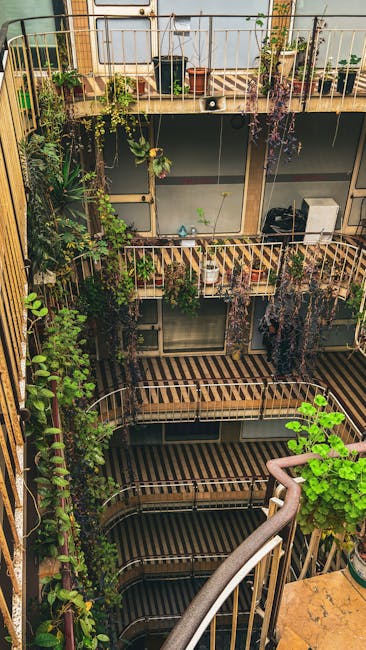
Brixton Market balcony gardeners and flat garden maintenance: a practical guide for small-space green living
If you live near Brixton Market, you already know space is precious. A balcony can become your morning coffee spot, a little herb patch, or the one calm corner in a busy flat. But it can also become a place where pots dry out too fast, soil spills everywhere, and maintenance quietly slips down the list. This guide to Brixton Market balcony gardeners and flat garden maintenance is here to make that easier. It covers what matters, how the work is done, what to avoid, and how to keep a small outdoor space looking good without turning it into a weekend chore.
Truth be told, flat and balcony gardens need a different mindset from a traditional garden. There is less room for error, more exposure to wind, and usually more neighbours. The upside? With the right routine, a compact balcony can look sharp, feel restful, and stay manageable all year round.
Why Brixton Market balcony gardeners and flat garden maintenance Matters
Balcony gardens and flat outdoor spaces are not just decorative extras. In a dense part of London, they often do more than one job at once. They soften a hard urban view, improve the feel of a home, and give you somewhere to grow herbs, flowers, or a few resilient shrubs. When the maintenance is done well, the space feels like an extension of the flat rather than an awkward afterthought.
Near Brixton Market, where streets are lively and buildings sit close together, a well-kept balcony also matters for practical reasons. A tidy planting setup reduces mess, limits blocked drains, and helps prevent water damage or runoff problems. It can also make shared living easier. Nobody wants a soil bag left open in a shared hallway, or a trailing plant that keeps shedding into the flat below. We've all seen that one balcony where the watering routine was clearly optimistic. It starts with one basil plant and ends with a jungle and a broom.
Maintenance matters because small spaces show neglect quickly. A single yellowing planter, a broken saucer, or a patch of algae on decking stands out more on a balcony than it would in a larger garden. On the other hand, a simple routine can keep everything looking fresh with surprisingly little effort.
Expert summary: In balcony and flat garden care, consistency beats intensity. Small, regular upkeep is far more effective than occasional "big tidy-ups" that leave plants stressed and surfaces worn out.
How Brixton Market balcony gardeners and flat garden maintenance Works
At its core, balcony and flat garden maintenance is about matching the care plan to the space. That means considering light, wind, weight load, drainage, access, and how much time you realistically have. It is a lot less about digging and mowing, and much more about controlled, tidy care.
A typical maintenance process starts with a quick assessment. What gets morning sun? Which corner turns into a wind tunnel? Where does water collect after rain? On a balcony, those details decide what will survive and what will sulk. From there, the maintenance plan usually includes container watering, pruning, feeding, deadheading, cleaning surfaces, checking plant health, and replacing tired compost or damaged pots.
For flat gardens, the work may also involve small design tweaks. For example, swapping a few oversized pots for lighter containers can make the layout safer and easier to manage. Or using vertical planting to open up floor space. Simple, but effective. If the space includes a terrace or decking area, a more structured care routine may be needed, especially if algae, stains, or slippery patches appear.
Some residents prefer a one-off refresh, while others want scheduled visits. That choice depends on how fast the space changes. A south-facing balcony with thirsty containers may need more frequent attention than a shaded courtyard-style setup. In our experience, it is always better to set expectations early than to guess and hope for the best.
If you are looking for a broader service framework, the full services overview can help you see how balcony upkeep fits alongside more general outdoor care.
Key Benefits and Practical Advantages
A well-managed balcony or flat garden brings more value than most people expect. Yes, it looks better. But there is more going on than that.
- Less visual clutter: Clean lines, healthy plants, and organised pots make the whole flat feel calmer.
- Better plant survival: Regular checks catch dry soil, pests, and root-bound plants before they become major problems.
- Safer surfaces: Removing moss, fallen leaves, and water build-up reduces slipping and staining.
- More usable space: Good maintenance frees up room for seating, storage, or growing plants you actually enjoy.
- Improved privacy: Climbing or screening plants can soften overlooked balconies without making the area feel boxed in.
- Lower long-term costs: Keeping up with maintenance often prevents the need for bigger replacements later.
There is also an emotional benefit that is easy to underestimate. A small outdoor space that feels cared for tends to get used more. You open the door, step outside, and the whole place just works. That sounds simple, but it changes how a flat feels day to day.
For residents who want a little more structure and support, regular garden maintenance can be a sensible way to keep everything on track without starting from scratch every few weeks.
Who This Is For and When It Makes Sense
This kind of maintenance is ideal for anyone with a balcony, roof terrace, small patio, or compact flat garden who wants the space to stay attractive and manageable. That includes busy professionals, tenants who want a neat outdoor area, landlords preparing a property, and homeowners who simply do not want to spend half their weekend deadheading geraniums and sweeping compost.
It also makes sense if your space has one of these common issues:
- Plants that dry out too quickly in sun or wind
- Heavy containers that are hard to move safely
- Leaves, petals, or debris falling into shared areas
- Limited storage for tools and watering equipment
- Decking, paving, or balcony flooring that becomes slippery
- Plants that have outgrown their pots and now look awkward
Some people only need occasional help at the start of spring or before guests arrive. Others need monthly or fortnightly support because the space gets messy fast. That is perfectly normal. Not every small garden needs constant attention, but most do benefit from a rhythm.
If your balcony has become overgrown or cluttered, especially after a busy season, a targeted garden clearance service can be a practical reset before the maintenance routine begins again.
Step-by-Step Guidance
Here is a straightforward way to approach balcony and flat garden maintenance without overcomplicating it.
- Start with a full visual check. Look at the floor, railings, pots, plant leaves, and drainage points. Note anything unstable, diseased, cracked, or waterlogged.
- Remove the obvious clutter. Dead leaves, broken canes, empty pots, and faded packaging should go first. It is amazing how much better a space looks after that alone.
- Assess sunlight and exposure. Decide which plants are in the right place and which are fighting a losing battle.
- Water properly. Small containers often need more frequent watering, but that does not mean soaking everything. Check the soil with your finger and water according to need.
- Prune and deadhead. Remove weak growth, spent flowers, and anything rubbing or blocking airflow.
- Refresh compost or mulch where needed. Top up tired pots, and replace compacted or sour-smelling compost.
- Clean the hard surfaces. Sweep, rinse, and remove algae or staining carefully. Keep runoff in mind, especially on upper floors.
- Check safety details. Make sure pots are stable, railings are not used for unsupported heavy planters, and anything hanging is secure.
- Rework the layout if needed. Move sun-lovers to the brightest spot and shade-tolerant plants away from harsh exposure.
- Set a repeat schedule. Even a simple weekly ten-minute check makes a huge difference.
That final step is the one people often skip. Then, six weeks later, everything feels "suddenly" overgrown. It rarely happens suddenly.
Expert Tips for Better Results
Good balcony gardening is mostly about working with the space, not fighting it. A few small choices can make upkeep much easier.
Choose lighter containers where possible. Heavy terracotta looks lovely, but on a balcony weight matters. Lightweight materials can be easier to move and reduce pressure on the structure.
Group plants by watering needs. Thirsty herbs should not be squeezed in beside drought-tolerant succulents. If they are, someone will suffer. Usually the plant.
Use vertical space carefully. Wall planters, trellises, and shelving can free up the floor, but only if they are securely fitted and do not obstruct access.
Think in layers. Tall plants at the back, medium-height in the middle, trailing plants near edges. It creates a more polished look and helps light reach everything more evenly.
Protect the surface below. Pot feet, trays, and saucers can reduce staining and stop water sitting directly on timber or paving. Simple, but very useful.
Inspect after wind or rain. Brixton weather can be mild one minute and a bit annoying the next. After a windy spell, check for toppled pots, snapped stems, and loose ties.
Use a seasonal reset. Spring and early autumn are good times to replant, divide, or rethink the layout. You do not need a full makeover every time, just a sensible reset.
If the space includes timber features or seating, it may be worth looking at decking services as part of a longer-term plan, especially where repairs or surface upgrades could improve usability.
Common Mistakes to Avoid
Most balcony and flat garden problems come from trying to do too much, too fast, or choosing the wrong setup for the conditions. These are the big ones to avoid.
- Overcrowding pots: It looks lush for a week, then becomes a wrestling match for light, air, and water.
- Ignoring drainage: If water cannot escape, roots suffer and surfaces get messy.
- Using heavy items without checking support: Balance and load matter more on balconies than people sometimes realise.
- Picking plants that do not suit the exposure: A shade plant in a full-sun west-facing position will not thank you.
- Forgetting routine cleaning: Dust, pollen, and debris build up quickly in small outdoor spaces.
- Letting plants overgrow access points: If you cannot easily get to the far corner, maintenance becomes harder every week.
- Skipping the seasonal changeover: A planting scheme that worked in May may be tired by late summer. That is normal.
One of the most common mistakes is treating a balcony like a tiny version of a full garden. It is not. It has its own conditions, and the rules are a bit different. Once you accept that, things get easier, honestly.
Tools, Resources and Recommendations
You do not need a shed full of equipment for flat garden maintenance. In most cases, a compact kit is better than a bulky one. Keep things simple and easy to reach.
- A lightweight watering can or hose attachment suited to the space
- Small secateurs or hand pruners
- A stiff hand brush for sweeping up debris
- Gloves that fit properly
- Pot saucers, trays, and plant supports
- Fresh compost and a small trowel
- Microfibre cloths for railings, containers, and surfaces
- A secure storage box if the balcony allows it
For more detailed upkeep, especially where shrubs, climbers, or boundary planting are involved, services such as hedge trimming and lawn mowing may be relevant in small courtyard gardens rather than balconies. The point is not to force every service into the same box, but to match the work to the space.
If you want help keeping the whole outdoor area in shape, landscape gardening and landscaping can support more substantial layout changes, while lighter upkeep keeps the day-to-day side under control.
Law, Compliance, Standards, or Best Practice
For balcony and flat garden maintenance, the main concern is not some dramatic legal issue. It is sensible, responsible practice. That said, a few standards matter in the real world.
Building and safety considerations: Balconies are not the place for casual improvisation with heavy pots, unstable shelving, or overhanging planters. Weight, fixings, and access should always be considered carefully. If there is any doubt, choose a lighter setup and avoid placing loads where they do not belong.
Water management: Poor drainage can lead to staining, dripping into neighbouring spaces, or unwanted moisture build-up. Good maintenance should keep water where it should be.
Shared living respect: In flats, noisy work, debris, or strong-smelling treatments can affect neighbours. It is best practice to work tidily and keep disruption low.
Health and safety: Any maintenance involving ladders, lifting, sharp tools, or awkward access should be handled carefully. A reputable provider should also have clear policies around health and safety and insurance and safety, which gives you extra peace of mind.
There is also a wider responsibility around waste handling and materials. If plants, compost, or removed materials need disposing of, the work should be done with care and, where possible, with recycling in mind. That is why some customers value a provider that takes recycling and sustainability seriously.
Options, Methods, or Comparison Table
Different balcony and flat garden setups need different levels of support. This comparison may help you decide what suits your space.
| Approach | Best for | Pros | Limitations |
|---|---|---|---|
| DIY weekly upkeep | Small, simple balconies with a few pots | Low cost, flexible, personal control | Easily neglected if you are busy |
| Seasonal refresh visits | Spaces that mostly hold up but need periodic attention | Good for replanting and tidy-ups | Issues can build between visits |
| Scheduled maintenance plan | Balconies and flat gardens used regularly | Consistent, neat, less stress | Needs a set budget and routine |
| Full redesign plus maintenance | Overgrown, awkward, or underused spaces | Best long-term transformation | More upfront effort and planning |
For many people, the sweet spot is a maintenance plan with occasional bigger interventions. That way the space does not drift into neglect, but you also do not overpay for work you do not need.
Case Study or Real-World Example
Imagine a top-floor flat near Brixton Market with a narrow balcony, two chairs, five pots, and a small shelving unit that has slowly become the home of everything. After a few windy weeks, one planter has tipped, basil is crispy, and water is dripping onto the tiles below every time someone gets enthusiastic with the watering can.
The fix is not complicated, just practical. First, the space is cleared and cleaned. Then the pots are grouped by light and watering need. The heaviest planter is moved off the edge, the tired herbs are replaced with a more suitable mix, and trays are added under key containers. A small climber is trained up a secure support so the balcony feels greener without taking up floor space. Finally, a simple weekly schedule is set: check moisture, sweep debris, rotate pots if needed, and keep an eye on drainage.
A month later, the space looks calmer. Not perfect. Just better. More usable. Less fiddly. And that is usually what people want, even if they do not say it out loud. A balcony that does its job without demanding a whole second job from you.
Practical Checklist
Use this as a quick monthly or seasonal check for balcony and flat garden care:
- Are all pots stable and placed safely?
- Is there any standing water, staining, or blocked drainage?
- Do the plants match the available light and exposure?
- Have dead leaves, flowers, and debris been removed?
- Do any containers need fresh compost or feeding?
- Are any plants root-bound, damaged, or overcrowded?
- Are railings, shelves, and supports secure?
- Does the space still feel easy to use, or has clutter started creeping back?
- Have surfaces been swept and lightly cleaned?
- Do you need a small redesign rather than just more tidying?
If you can answer "no" to three or more of those, it may be time for a proper reset rather than another quick brush-around. No drama. Just a practical tune-up.
Conclusion
Brixton Market balcony gardeners and flat garden maintenance is really about making small spaces work beautifully without adding stress. Done well, it keeps your balcony safer, tidier, and more enjoyable all year round. Done badly, it becomes one more thing to worry about after work or at the weekend. The good news is that a steady routine, the right plant choices, and a few smart habits can make a huge difference.
Whether you want a one-off refresh, ongoing support, or a clearer plan for a tricky balcony layout, the main thing is to start with the space you actually have. Not the ideal version in your head. The real one. That is where good maintenance begins.
If you are ready to take the next step, explore our pricing and quotes, learn more about us, or get in touch through contact us when you are ready to talk through the best option for your flat or balcony.
Get a free quote today and see how much you can save.
Frequently Asked Questions
What does balcony garden maintenance usually include?
It usually includes watering checks, pruning, deadheading, container cleaning, debris removal, surface sweeping, drainage checks, and occasional replanting or compost refreshes. For some spaces, it also includes rearranging pots for better light and wind protection.
How often should a balcony garden be maintained?
That depends on the plants and exposure. A simple balcony may only need weekly checks, while a sun-exposed space with thirsty containers could need attention more often. A monthly professional visit can work well alongside light DIY care.
Is flat garden maintenance different from normal garden maintenance?
Yes, quite a bit. Flat garden maintenance tends to focus on containers, access, drainage, wind exposure, weight limits, and neat presentation in a smaller footprint. There is usually less mowing and more precision care.
Can balcony plants survive Brixton's weather?
Absolutely, if they are chosen carefully. Hardy herbs, compact shrubs, drought-tolerant plants, and some shade-tolerant varieties do well. The key is matching the plant to the balcony's sun, shelter, and watering routine.
What are the most common balcony gardening mistakes?
Overwatering, overcrowding, choosing the wrong plants, ignoring drainage, and using heavy containers without thinking about safety are the big ones. People also forget that balconies can dry out fast on windy days.
Do I need professional help for a small balcony?
Not always. If the space is simple and you have time to keep up with it, DIY may be enough. Professional help makes more sense when the space is awkward, overgrown, difficult to reach, or part of a landlord or rental property presentation.
How can I make a small balcony easier to maintain?
Choose fewer, better-suited plants; use lightweight containers; group plants with similar watering needs; and keep the layout open enough to clean around. A little discipline upfront saves a lot of fuss later.
What should I do if my balcony is cluttered or overgrown?
Start with a proper clear-out. Remove dead plant material, broken pots, and anything unused. If the space feels overwhelming, a garden clearance step can make the maintenance work far easier afterwards.
Is balcony gardening safe in a flat or apartment building?
It can be, provided the setup is sensible. Keep heavy items secure, avoid blockages, protect drainage, and respect shared spaces. If there is any uncertainty about load or fixings, lighter materials and a simpler layout are usually the safer choice.
What kind of plants are easiest to look after in a balcony setup?
Herbs like rosemary and thyme, some compact evergreens, hardy grasses, and resilient flowering plants often do well, depending on light. The best choice is always the one suited to your actual balcony conditions, not just the one that looked good in a photo.
Can maintenance include decking or hard surfaces too?
Yes. Balcony and flat garden maintenance often includes sweeping, washing, checking for algae, and looking after timber or paved areas. If the surface needs more than routine care, decking services may be worth considering.
How do I know if I should invest in a bigger redesign?
If you are constantly fighting the layout, replacing the same plants, or avoiding the space because it feels awkward, a redesign may be the better choice. Sometimes the issue is not maintenance at all, but a setup that never quite fit the space in the first place.